
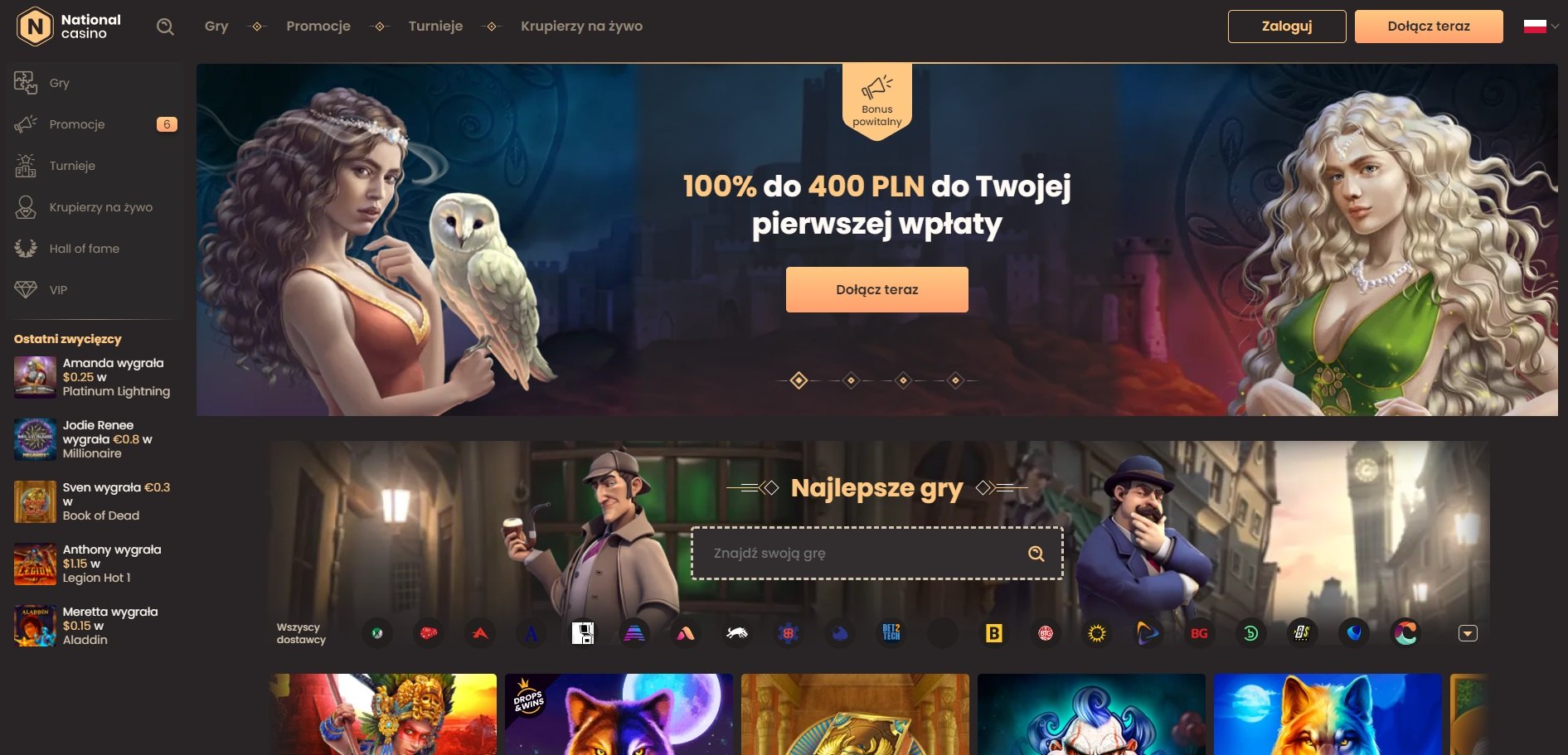
The landscape of online casino offers is shifting https://spinational.eu.com. The era is over of identical offers blasted to every player. A more savvy and tailored approach is taking over. Spinational Casino is embracing this shift, notably in the UK where astute players and fierce competition call for it. This piece examines how customized casino deals work, using Spinational as our case study. We’ll break down the tech that fuels them, weigh the perks for players and the operator, and map what this tailored future means for those in the UK looking for a bonus that really suits.
How Spinational Casino Implements Personalization
Building a personalized offer system is no small feat. It relies on two pillars: sharp data analytics and a promotional engine that can adapt on the fly. Behind the scenes, Spinational probably uses software that divides its player base into hundreds of micro-segments. These groups are not static. They change as you play. You could move from a „new depositor“ category to a „high-roller slots enthusiast“ in a matter of weeks, and the deals coming your way will shift with you. The casino’s promotional tools have to create and deliver distinct offers to these tiny groups, often in real time, via the site, email, or app notifications.
So what does this mean for a UK player? You will not see a generic „50 Free Spins on Book of Dead“ landing in your inbox. Instead, you could receive „50 Free Spins on your most-played slot this month.“ Deposit matches could be shaped around your typical deposit amount, with the percentage mirroring your activity. This tailoring can even affect wagering requirements, where loyal players might see slightly friendlier terms. The whole point is relevance. Spinational’s system attempts to make every promotional message feel like it was made for you. In an inbox full of generic ads, that’s how you get noticed.
The shift from one-size-fits-all bonuses to customized offers
For years, online casinos relied on a simple script: broadcast bonuses. Everyone got the same welcome package, the same weekly reload. It was easy to manage, but players quickly became disengaged. Promotions felt unimportant, especially to seasoned gamblers. The UK market has moved on. Players now expect a casino to notice their loyalty and adjust to their style. Spinational’s push into customization is a direct answer to that expectation. The goal is simple: boost engagement by making sure promotions actually are meaningful to the person receiving them. This isn’t just a new marketing trick. It signals the industry growing up, learning to see players as individuals with unique tastes rather than one faceless crowd. In a tough market, that’s a more viable way to do business.
What makes this bespoke model possible? Data. Lots of it. Operators now gather and process information from every action you take. The games you choose, the size of your bets, even the time you log in—it all helps build a profile. Advanced algorithms analyze this data to guess which offer you’ll actually like and use. Think about it. A dedicated slots fan gets nothing from a blackjack bonus. By tailoring the offer, Spinational makes the player feel valued and makes its own marketing budget work harder. It’s the difference between yelling into a megaphone and having a quiet, informed chat. The second method just works better.
Tactical Edge for Spinational Casino
On the business side, a tailored offer system delivers obvious strategic advantages. The clearest is smarter use of the promotional budget. By directing offers to players most likely to use them, Spinational gets a improved return on its marketing outlay. This optimization can finance more generous offers for important players without exceeding the budget. A precise approach also curbs bonus exploitation. When offers are linked to specific behavior patterns, they become much harder to exploit systematically.
The advantages go past cost control. Personalization improves player loyalty and total value. A player who becomes understood is unlikely to move on to a alternative. The system also supplies Spinational a flow of data about player tastes, guiding decisions on which games to add or which features to create. In the UK, where the expense of attracting a new customer is substantial, squeezing more value from your present player base is essential. Personalization transforms the casino from a fixed platform into an adaptive service. It builds a competitive moat not on bonus scale alone, but on recognizing the customer.
Perks for the UK Player: Relevance and Benefit
For players in the UK, the greatest win with personalized offers is applicability. No more sorting through promotions for games you’ll never play. The incentives that arrive actually match what you already like. This applicability turns directly into benefit. Take a 100% match bonus up to £50. For a player who only ever deposits £20, that headline figure is mostly irrelevant. A personalized system might offer that same player a 125% match up to £25. The relative benefit is greater, and the bonus goal is within achievable. This tailored thinking shows regard for the player’s bankroll and behaviors. It makes promotions feel like a perk, not a bait-and-switch.
Personalization can also unlock options you might have missed. Say you often play games from a specific developer. The system might ping you early about a new release from that studio, bundled with some free spins. It’s not just a bonus; it helps you find new gems. The overall effect is a casino environment that feels customized to you. It fosters a feeling of being a valued customer, not just a source of funds. In a digital world that often feels detached and unfeeling, that relationship is the real reward.
FAQ
What exactly does a tailored casino offer from Spinational typically feature?
It centers on your own play history. You may obtain free spins on the slot you play most often, a deposit match that matches your usual deposit size, or cashback on games you consistently enjoy. The difference is relevance. The offer is constructed from your data to give you something you’ll most likely use, transcending generic promotions to something that feels made for you.
Are my details protected when used for personalization at Spinational Casino?
In the UK, Spinational must follow strict GDPR and Gambling Commission rules on data security and privacy. Your data should be used honestly and responsibly to improve your time on the site. You have the right to access, control, and limit how your data is used. Good operators use strong encryption and security to protect your information, aiming to provide benefits rather than manipulate you.
Why has my friend get a better bonus offer than I did from Spinational?
Personalized offers stem from individual player data—your deposit patterns, how often you play, which games you prefer, and your loyalty. A different offer doesn’t necessarily indicate a better one. It means a different one, influenced by your friend’s specific habits or their value to the casino’s systems. It’s a sign of marketing aimed at individuals, not a comment on you as a player.
Is it possible to opt out of receiving personalized offers at Spinational?
Yes. Data protection laws provide you with control over your marketing preferences. Inside your Spinational account settings, you can locate options to manage communications (email, SMS, notifications) and possibly the level of personalization. You can opt for more generic broadcasts, though this may result in you receive promotions that are less useful to you.
Are personalized offers have different wagering requirements?
Occasionally. The personalization algorithm is able to adjust both the bonus amount and the attached terms. A player with a long history of steady deposits might see slightly friendlier wagering requirements as a thank-you. Always read the full terms and conditions of any offer before you accept. The wagering rules are required to be clearly stated by law.
How regularly will I receive personalized deals from Spinational Casino?
It hinges on how active you are. Regular players who log in often and have consistent gameplay will likely see more tailored offers, perhaps weekly or even linked to specific sessions. If you play less, you could receive fewer offers, though they might be more tempting to draw you back. The system attempts to talk to you when it’s relevant, not to spam you.
Might personalized offers encourage me to gamble more than I intended?
Responsible gambling comes first. While personalized offers are designed to be appealing, they should not drive you. Trustworthy, UK-licensed operators like Spinational are required to include gambling safety tools. You can set deposit caps, use time-out periods, or opt for self-exclusion. Employ these features to stay on track. Consider bonuses as supplementary perks for your intended leisure, instead of a justification to wager more than you’re comfortable with.
The Evolution of Casino Marketing: Hyper-Personalization
Where is this heading? The current trend indicates hyper-personalization, where offers aren’t just grouped but produced in real time for one person. Consider dynamic odds boosts on certain bets you’re about to place. Or a personalized offer triggered by a long session, crafted within responsible gambling limits. Artificial intelligence and machine learning will render these systems more predictive. They could offer support or a custom bonus precisely when a player’s behavior indicates they might require it—a potent tool that must be handled with extreme care.
This vision covers the whole player journey. Personalization will stretch beyond bonuses to game recommendations, customer service channels, and loyalty rewards. The casino interface itself might change to highlight your favorite games. For the UK market, all this development will happen under the vigilant eye of responsible gambling regulations. The same tools that tailor offers must also detect and protect vulnerable players. The ideal result is a more secure, more captivating, and uniquely personalized form of entertainment that places the individual first.
The function of gambler details and privacy considerations
Customization depends on gambler details. This sets marketing innovation on a direct collision course with privacy concerns. To personalize deals, Spinational must examine your gameplay history, deposit rhythms, preferred games, gaming session time, and your busiest gaming hours. In the UK, this is not unrestricted. The General Data Protection Regulation (GDPR) and the Gambling Commission’s rules establish strict boundaries for fair and transparent data use. Players need to have definite alternatives to oversee marketing and understand what’s being tracked. A reputable operator employs this information to better your experience, not to abuse.

Responsible data use is now a key advantage. Players are more mindful of their digital trail and usually stay with brands that honor their privacy while using data to provide real benefits. Spinational’s difficulty—and the industry’s—is balancing that act. Being transparent about data use, giving accessible privacy controls, and ensuring that personalized offers are truly beneficial are all essential. Get it right, and a mutually beneficial relationship develops. The player obtains incentives they appreciate, and the casino builds greater loyalty and operates a more efficient ship.
Likely Challenges and Objections of Personalized Deals
For all its advantages, the shift to personalized deals presents some issues and fair criticism. A major worry is fairness. Two players with comparable deposit histories might get varying bonus terms based on other, hidden data factors. This can cause resentment if players share notes and discover a disparity. Spinational has to manage this with care. The thinking behind personalization is complicated, but the principle needs to be clear to keep player trust. Staying more transparent about why an offer was given is an field where providers could do better.
There’s also a risk of forming a „filter bubble“ around players. By continuously providing offers based on past choices, the system might discourage trying new game genres or developers. Over time, this could make the experience seem stale. Then there’s the creep factor. There’s a fine line between useful personalization and experiencing like you’re under a microscope, with every click scrutinized to steer your spending. The system needs to feature aspects of novelty and exploration, not just predictable reinforcement. And let’s not forget the practical side: creating and supporting this tech is costly, demanding constant funding in software and data specialists.